All posts by Linda Forsberg

Linda Forsberg is an ordained Lutheran Pastor (ELCA). She has served congregations in Massachusetts, Pennsylvania, and Rhode Island. For the past nineteen years she has served as the Pastor of First Lutheran Church of East Greenwich, RI. She is blessed to have discovered the art of spiritual direction at just twenty-one years of age, and has been receiving spiritual direction for over thirty years. She was ordained at age twenty-six, and began offering spiritual direction as part of her ministry. In addition to her formal education (BA in Religious Studies from Brown University, 1981; M.Div. from Harvard University in 1985), she has continued to learn about spirituality, which is her passion. She did post graduate work at St. John’s Seminary in Newton, MA. She took courses at The Institute of Creation Centered Spirituality at Holy Names College, in Oakland, CA. In 1994 she completed a three year program, “Spirituality of Christian Leadership,” at Our Lady of Peace, in Narragansett, RI. In 2004, along with a group of people from First Lutheran Church, she created Oceans of Grace, a Spiritual Life Center in East Greenwich. In 2009 she completed a four-year certification program in Spiritual Direction from Sacred Heart University. In 2010 she received her Doctorate of Ministry in Spirituality from the Lutheran Seminary in Philadelphia. She also has worked in retreat ministries for over thirty years. She is married to Ted Gibbons, and lives in Newport, RI. She is the mother of three young adult children, and five step-children. She has four grandchildren. She is an avid outdoor enthusiast, and loves hiking and cycling. She is also a certified yoga instructor and a black belt in kempo karate. She is Christian, but loves to study all of the major faith traditions, seeking the things which unite us.

A Crisis of Faith

A Crisis of Faith

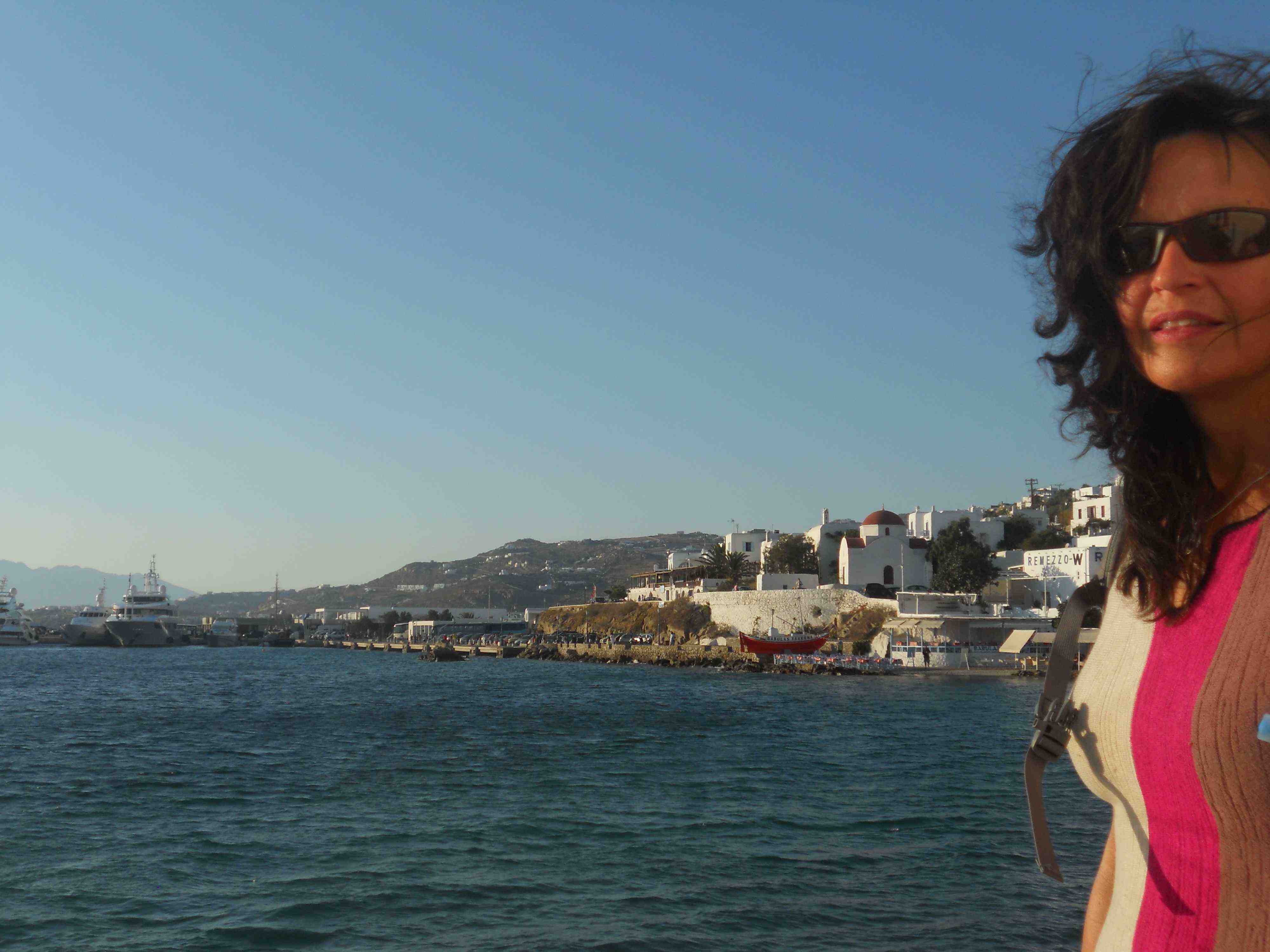
Greece & Turkey 4 566

I confess, I am having a crisis of faith. Not a crisis of my faith in God, but a crisis of my faith in humanity. Sunday my husband Ted and I went to see the film, Selma. Ted wept through the entire film. Even I wept, which is unusual for me during a film. But this film transports you to a moment in time. It asks you, what are you willing to die for? It asks you, would you march? Would you have the courage to march peacefully toward a line of angry men, armed with bats and clubs? I pray that I would have the courage to do so. I wept because a part of me doubts the effectiveness of non-violence in the face of such overwhelming hatred and violence. I wept because part of me agrees with Malcolm X, who urged revolution by any means necessary, violence against violence. I wept because I desire the faith to take the higher road, but my own heart is conflicted with anger, violence, doubt. That’s the cold, hard truth. I believe in God; God help my unbelief in your people. I believe in your goodness, O God; help my unbelief in the inherent goodness of your people.
Wentworth New Mexico 2 104
I highly recommend the film Selma to everyone. Next Monday we celebrate Dr. Martin Luther King, Jr. Day. Many of us are involved in a day of community service, in his honor. But as members of my local interfaith clergy group mentioned, as wonderful as it is that people do a day of community service, in this time of Ferguson and Staten Island, maybe we need to get back to the real message of Dr. King. For we see that today racism is alive and well here in the United States. As the events in France show us, we see that today freedom is still under attack in many places throughout our world.
Our youth group at my church does a Homeless Awareness Campout every Martin Luther King weekend. We set up a bus stop type lean-to on the front lawn of our church in white, upper-class East Greenwich, RI, and camp out from 12 noon on Saturday till 12 noon on Sunday. People coming to one of our four worship services on Saturday or Sunday can’t avoid homelessness, as they have to practically step over us to go to church. This idea was the creation of a clergy friend of mine, Rev. John Hudson, a UCC pastor in Massachusetts. We usually get on the local news.

churchw:walls3
To raise the awareness of our youth themselves, we also have them do a service project with homeless people. This year we are going to a new ministry we have gotten involved with, Church Beyond Walls, in downtown Providence, RI. Church Beyond Walls is a weekly outdoor worship service, led by a partnership of Episcopal and Lutheran clergy and church members, which ministers to peoples’ physical and spiritual hunger, by serving the Word and Sacrament, followed by a community meal.

10410680_697894760246026_3261113760899301748_n

I have been involved in this ministry since last January. Also to raise the awareness of our youth, we show them a film about Homelessness, followed by conversation. It occurred to me as I watched Selma, however, that young people today may not even know the story of Dr. King. After seeing the film, I texted a close friend, four years younger than I, “Just saw Selma. AMAZING.” He texted me back, “What’s Selma?” I was shocked. I realize we need to keep Dr. King’s message alive for the younger generations, who do not realize the price that was paid for basic human rights by Dr. King and so many others just a short time ago. I realize that our young people hear about Ferguson and Staten Island with different ears than those of us who lived in the sixties.
My husband is fifteen years older than I, so was in college during Selma. I was just four years old. He said to me, “You were too young to do anything, but I should have marched. I should have done something. I did nothing.”
But Selma is still going on today. Selma is Ferguson. Selma is Staten Island.

I think of the kids in my youth group. I think this year they need to see Selma instead of a film about Homelessness. Instead of discussing homelessness, as important as that is, we need to discuss racism.

Greece & Turkey 4 075

The most difficult scene in the film for me personally was the scene of the march across the bridge at the beginning of the march from Selma to Montgomery. Unarmed women, youth, and men, walking peacefully, met with State Police, armed with clubs, and angry white racists, armed with bats, wrapped in barbed wire.

The first question I asked myself was “Where are the white people?” Is there not one frigging white person who would march in solidarity with their sisters and brothers? Ted said, “Wait. It will come.” As television screens across the US showed scenes of older women in dresses being bludgeoned with bats and clubs, anti-racist people throughout the country were outraged. I was relieved to see that people of all persuasions travelled from all over the country to join the march. I confess I was personally relieved that many of them were clergy.

The second question I asked myself, the one we all need to ask ourselves, is, “Would I have had the courage to march?” I pray to God that I would, but the thought of walking toward a line of men with clubs is so horrifying, so sickening… Where does this courage come from?

I think of how Dr. Martin Luther King, following the non-violent teaching of Gandhi, but also of Jesus, said that if we respond to hatred with hatred, then we only contribute to the arsenal of hatred in this world. If we respond to violence with violence, then we only add to the vast amount of violence in this world. We cannot fight what we hate by becoming that very thing. We must choose another way, a higher way.

DSCN2891
When we respond to violence with non-violence, not only do we not add to the amount of violence in the world, but there is also the possibility that our non-violence may dismantle, may diminish, may even transform, some of the violence into non-violence. When we respond to hatred with Christ-like love, not only do we not contribute to the amount of hatred in this world, but we may actually dismantle, diminish, even transform, some of the hatred into compassion.
I believe in this higher nonviolent way; God, Christ, Gandhi, Dr. King, help my unbelief.
This day, may be be the change we wish to see in this world.
Linda Forsberg, Copyright January 13, 2015

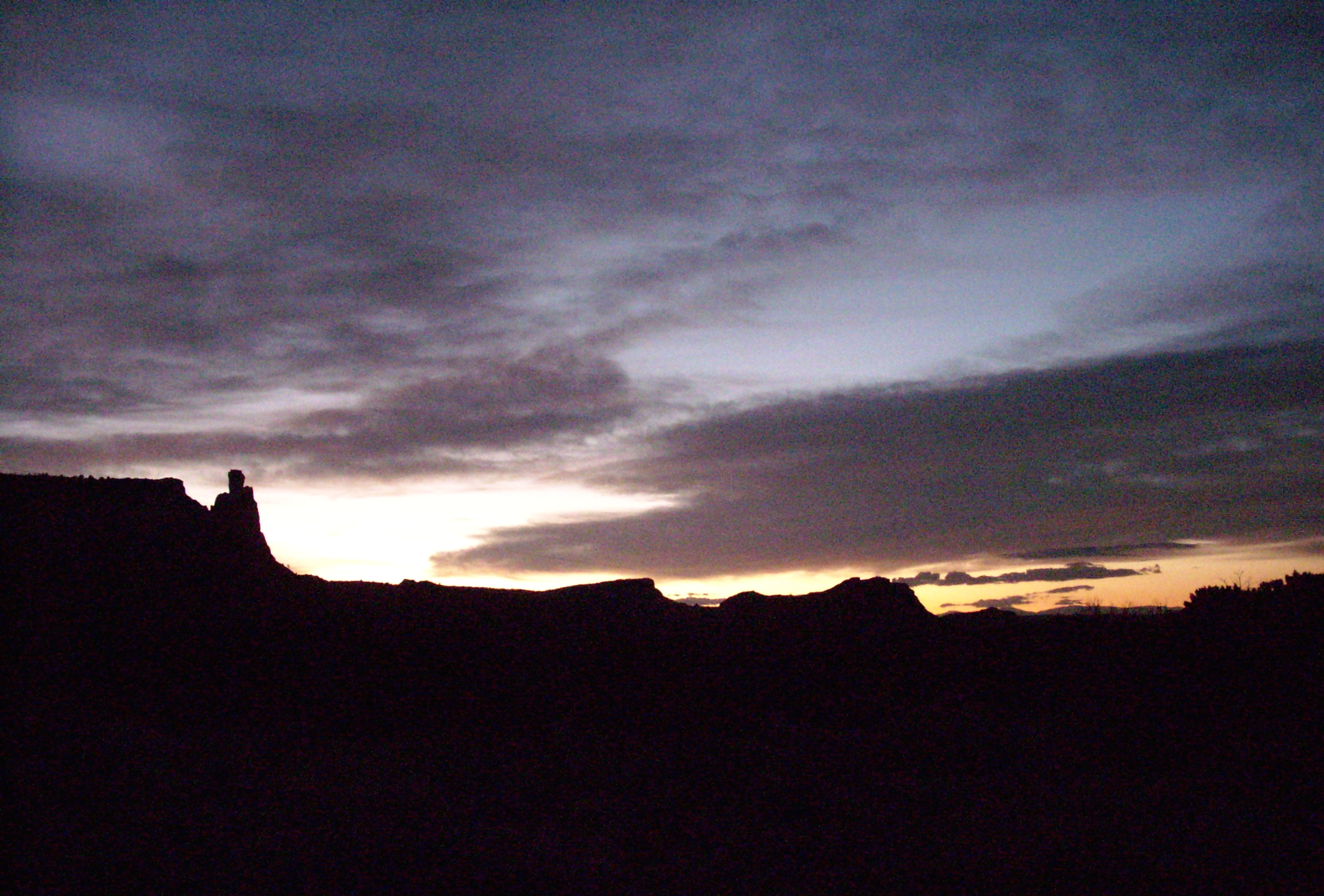
Photo credits:  Linda in Turkey; Night Sky at Ghost Ranch, Abiquiu, New Mexico; Sign for Church Beyond Walls; Altar at Church Beyond Walls; Guard, Turkey; Cross at Christ in the Desert Benedictine Monastery, Abiquiu, New Mexico, taken by Ted

Led Onward by the Light

Ted Top All Time  303 Pictures-15

Led Onward by the Light

I guess you could say that we are on a kind of pilgrimage, my husband and I. Last week, on December 30, we journeyed to Florida. That day was the one year anniversary of my father’s death. I thought it appropriate that we travel to Panama City Beach, Florida on that day, as Panama City Beach was his favorite place on this earth. During his years in the Army Air Corps (early Air Force) during World War II, he had been stationed at Eglin Air Force Base, the only Air Force base, I read, which is open to secular travel. Dad fell in love with the seemingly endless miles of beach with pure, soft, white sand. He swore that someday he would buy a home and retire here. Around 1988, newly retired, Dad and Mom did in fact buy a condo here at Panama City Beach, right on the white sand. Years later they bought a second one. They would come here each year after Thanksgiving, till Christmas. Then go back up north to spend Christmas with their children and grandchildren, my mom’s idea, not my dad’s. Then after Christmas return to Panama City Beach till Easter. Although this was a favorite place of my parents, I never came here until after they died.

IMG_4596

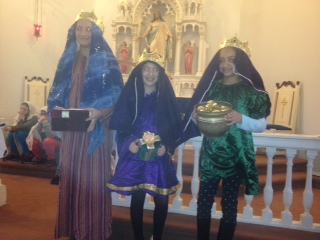
Last December 30, when my father died, we celebrated his life (had his funeral) on the Feast of Epiphany, January 6. What an appropriate day to honor my father. Epiphany is the day when Eastern Orthodox churches celebrate Christ’s birth. For Western Christians, January sixth is the twelfth day of Christmas. Technically you should not take down your Christmas decorations till after this day. The Feast of Epiphany is the day when we read the story of the Magi from the East, who, although they were not Jewish, followed ancient Jewish prophecies, and also the light of a new, bright star, on a long journey which led them ultimately to the Christ child. Some believe these Magi were actually Zoroastrians. Later Christian legend says there were three, and names them, but the bible actually does not say how many there were.

photo

Most scholars, as well as other ancient sources, say there were many Magi. Magi were learned folks, ancient scientists of sorts, astronomers, and also holy people. I think of them sort of like Gandalf in Lord of the Rings. I do not call them Wise Men because technically, Magi could be male or female. In any case, they followed the light, which led them to the Christ, whom they honored with three gifts: gold, frankincense, and myrrh. (See the Gospel of Matthew, Chapter 2, verses 1-12). There have been many astronomical theories as to what this bright star could have been: a supernova, the conjunction of two planets, etc. Just a couple years ago a doctoral student at Harvard Divinity School, Brett Landau, published a book of a recently discovered ancient manuscript, called The Revelation of the Magi. This manuscript claims that the the Light the Magi followed was none other than Christ, the Morningstar, himself. Landau’s book of that same name (The Revelation of the Magi) shows many ancient works of art that depict Christ within the star.

Greece & Turkey 4 315

The Magi represent all of us who are on a journey, a spiritual pilgrimage, seeking to follow the Light, and to let that holy light illumine our hearts, minds, souls.
In addition to tomorrow being the Feast of Epiphany and the day of Christmas (for the Orthodox)) or twelfth day of Christmas, it is also for many of us the beginning of a New Year. Many of us have reviewed the past year, and imagined the year ahead. We have thought about resolutions, things we wish to leave behind on our journey through this life, habits or patterns of behavior which we know are harmful or destructive or no longer serve us. We have also considered adopting new behaviors, commitments, or activities which we know will help us to live more fully in the Light.

IMG_1704
The word “Epiphany,” as we know, also means insight, revelation, enlightenment, “Ah-ha!” At Epiphany every one of us is invited to embark on a spiritual journey, to reflect on those places of darkness within us, and to invite the Light into those dark places, to illuminate or reveal them to us, but also to lead us on a new path, into greater and greater Light.

My favorite part of the story of the Magi is the last line of the story, “And having been warned in a dream not to return to Herod, they left for their own country by another road.” (Matthew 2:12)

DSCN2833
I believe my parents wanted us to keep one of their condos, so that we too could journey to this sacred place of white sand and brilliant sunlight dancing on the dazzling sea. I decided to use my part of the inheritance to buy one, so I could journey to this place, and feel close to my father and mother. I also desired a sacred place to which I can journey, where I can retreat from the daily tasks of life, and open myself more fully to the Light of Christ. Like the Magi I hope to“return home by another road,” by pledging myself to a new beginning, a new commitment to let myself be led onward, more and more and more in my daily life, by the Light of Christ, our Morning Star.

IMG_4636
How about you? Tomorrow, January 6, as we begin this journey of Epiphany, what darkness in you needs to have God’s Light shed upon it? What new road do you need to take in your life? Can you open yourself to be led onward by God’s Unfailing Light?
This day may you see God’s Light in all you encounter,
and may you reflect God’s Light to all you encounter.
Linda Forsberg, Copyright January 5, 2015

This blog is dedicated to my father, Clifford B. Forsberg, a light to me always.  I give thanks that you are now with Mom, your beloved Helen, and that both of you are enveloped in God’s Brilliant, Dazzling Eternal Light.

IMG_0142

Photo credits:  Yellowstone National Park, Wyoming; View from the Condo at Panama City Beach, FL; Church of Saint Paul, Turkey; Three Magi from this year’s Christmas pageant at church; Victoria exiting the Cloisters, New York City; top of Kitchen Mesa Trail, Ghost Ranch, Abiquiu, New Mexico; Ted at beach at Camp Helen, Panama City Beach, FL; Dad and Victoria on their shared birthday, which was his last birthday, his 90th.
God Made Flesh

IMG_0258

God Made Flesh

Yesterday at church we had a service of lessons and carols. This is a service where different readers read select readings, beginning with the book of Genesis, showing the whole salvation history – the history of God’s saving love – that culminates in Christ. The final reading is read by the pastor, which in our case means read by me. I therefore had the privilege of reading the exquisite prologue to the Gospel of John:
“In the beginning was the Word, and the Word was with God, and the Word was God. He was in the beginning with God. All things came into being through him, and without him not one thing came into being. What came into being in him was Life, and the Life was the Light of all people. The Light shines in the darkness and the darkness did not overcome it…

DSCN0168
And the Word became flesh and lived among us, and we have seen his glory (literally, brilliant light), the glory as of a father’s only son, full of grace and truth…From his fullness we all have received, grace upon grace.” (John 1: 1-5; 14, 16)
The older I get the more the mystery and the miracle of the incarnation – the mystery and miracle of God made flesh – speaks to me.

IMG_4270
For Christians the Incarnation speaks first and foremost of Christ: God made flesh in Christ. But part of the mystery and miracle of Christmas is that this Christ, this God-made-flesh, did not come in the kind of flesh people expected. God is always a God of surprises, as one of my close friends, who radiates God’s presence, always says to me. The world expected God made flesh in a powerful warrior King, who would achieve military and political power over the hated, oppressive Roman Emperor and his Empire. Instead God chose to be made flesh in our midst in a fragile, helpless infant, born to poor peasant parents.
One of the early Christian leaders, Iranaeus, said that in Christ “The Divine became human so that humanity could become part of the Divine.” In other words, “God-made-flesh” in Christ means that we need to look at all humanity in a new way, as incarnating, or embodying the Divine! God is made flesh still today in you and me, and everyone we encounter! God is made flesh then, at the time of Christ’s birth, as now, in the most surprising people; the fragile and powerless of today, the unexpected, surprising people we encounter.

IMG_1986
Many Christians are horrified when they discover that we do not really know when Christ was born. We celebrate it on December 25 mostly because of the winter solstice, which is about the returning of Light. For Christians we celebrate Christ as the Light of the world, the Light which no darkness can overcome. For Christians on the twelfth day of Christmas, January 6, we celebrate the Feast of Epiphany, remembering the journey of the Magi, wise persons (Magi could be male or female), who travelled from afar, following the appearance of a star, and ancient prophecies, which were not even part of their own religious tradition, which signaled the birth of a a great new leader, the Messiah, or “anointed one.”
Today the word “Epiphany” has come into popular usage. People say, “I had an Epiphany,” when they have made a new realization, when something previously hidden in darkness has been brought into the light of their realization. Literally the word “epiphany” is from the Greek, and means a manifestation, a showing forth.

IMG_1704
For Christians God is shown forth or made manifest in Christ. In the early church Epiphany celebrated three things: Christ’s birth, the acknowledgment of Christ by the Magi, and Christ’s baptism, all of these signifying God made manifest. As time went on the Christian church designated “God-made-flesh” also in the sacraments.

IMG_1840

God is literally incarnate, or made tangible or concrete for us in something as simple as water, as bread, and as a cup of wine or juice.

10410680_697894760246026_3261113760899301748_n

Christians also designate the community, the Christian Church, as “the body of Christ.” In other words, God is made flesh for us in one another.

new york play 018
The older I get the more I see how all things are connected. I see how all faith traditions say essentially the same thing: That God is made flesh in everyone we encounter, so we are to treat everyone with the reverence with which we treat God. As a yoga practitioner and instructor, this is what we emphasize at the conclusion of every yoga practice, when we say, “Namaste.” “Namaste” literally means, “May the holy one in me acknowledge the holy one in you.”

IMG_3196
In this season of Christmas and of Epiphany,
in this season of returning Light,
in this season when we welcome a New Year,
May we welcome a new way of seeing all that is.
May we see the Christ, the Holy One, the Divine,
in all we encounter,
and may we reflect the Christ, the Holy One, the Divine
to all we encounter.
Linda Forsberg, Copyright December 29, 2014

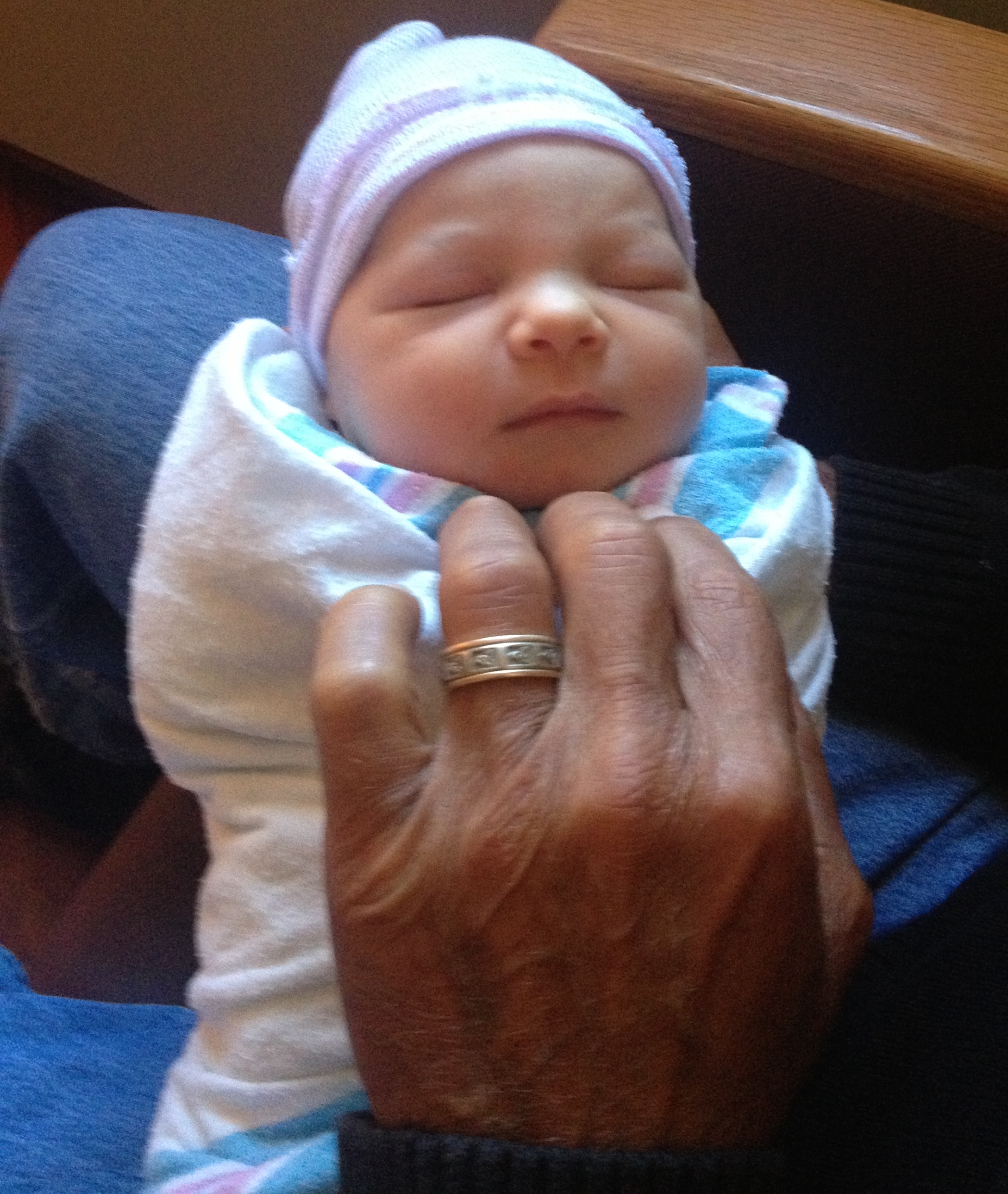
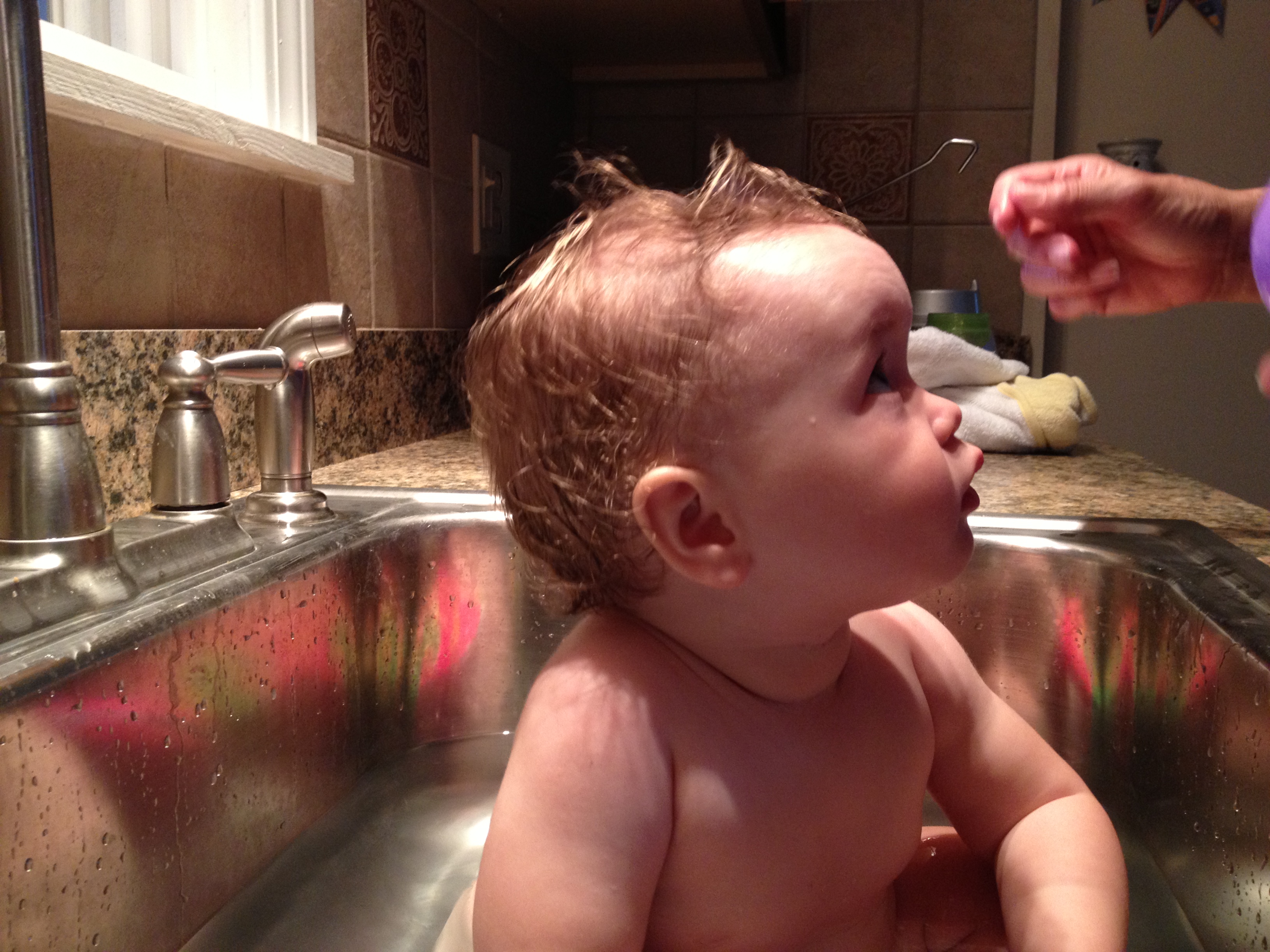
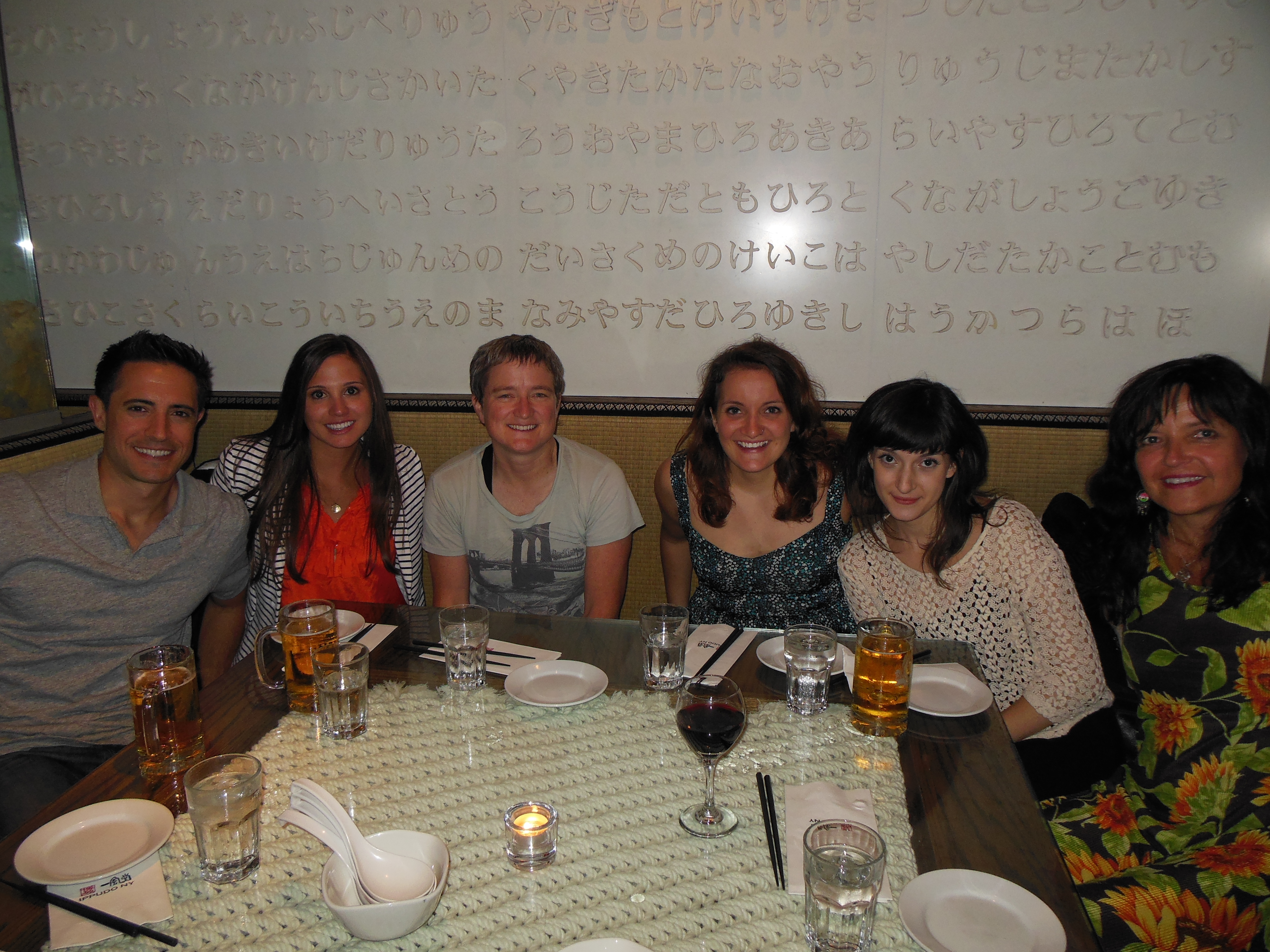
Photos:  Sylvie’s feet, photo of Tim Alperen; second beach, Newport, RI; baby Lola with Grampa Ted’s hand; Ursula and Tony; Victoria exiting the Cloisters, NYC; Sylvie getting a bath in our kitchen sink; Church Beyond Walls, Providence, RI; a family meal with John, Nicolette, Karen, Jules, Vic, and Linda, noodle place in NYC; Charlene at yoga, Namaste!

The Bridge between Human and Divine

The Bridge between Human and Divine

Ted Top All Time  303 Pictures-7

This past Sunday Christians entered the fourth week of what we call Advent. The word Advent means “coming.” The four-week season of Advent is a time of inner preparation, preparing for the birth of Christ, which is celebrated on the 25th of December, although we do not really know what day of the year Christ was born. The point of this season is to invite us to let Christ be born within our hearts, minds, and lives today.

photo 2
The fourth week of Advent is always my favorite week because the focus is on Mary, the Mother of Christ. Mary, in fact, is the symbolic figure for all of us throughout the entire Advent season. Mary was a young girl, probably no older than fourteen, who had the amazing courage to say “Yes.” “Yes” to the invitation of an angel, which literally just means “messenger,” named Gabriel.

photo

You can read the account of this in the Gospel of Luke, the first Chapter, verses 26-38. (You can also hear my fifteen minute sermon on this by going to http://www.firstlutheraneg.org, and clicking on the Vimeo clip. You may also want to listen to the amazing trio sing “Breath of Heaven,” by Amy Grant, a modern day version of Mary’s Song, on the same clip). This young woman, Mary, had the courage to say “Yes” to God, not knowing where it would lead her, by trusting the One who was leading her.

IMG_8083

How about you? Do you have the courage of this young teenager? Can you say “Yes” to God as unequivocally?
Every year during Advent I immerse myself in books about Mary, taking my own Advent journey hand in hand with this courageous young woman. This year I immersed myself in a book by a local Rhode Islander, Judith Dupre, called Full of Grace: Encountering Mary in Faith, Art, and Life.

Dupre is well-known for her books about Churches, Skyscrapers, Monuments, Bridges, in other words books about architecture and art. In her travels around the world, and her ventures into many cathedrals, she became enthralled with the many cathedrals and the abundance of art devoted to Mary. She calls Mary the Bridge between the human and the divine. If it were not for Mary’s courage to say “Yes, I will let Christ be born in me,” we would not have God made flesh in Christ. Who provided the flesh, the human part, for “God made flesh?” Mary.

IMG_0486
The other thing I love about the fourth weekend of Advent is that the “Psalm,” which means “Song,” assigned for the day also features Mary. It is called “The Magnificat,” which is from the first word in the Latin version of the song, “My soul magnifies the Lord…” You can read this also in the first chapter of the Gospel of Luke, verses 46-55. In a great deal of art, Mary is depicted as kind of meek, passive, and demure. Even her brave response to Gabriel is interpreted passively, “Here I am, the servant of the Lord. Let it be with me according to your Word.” But then Mary breaks out into her Magnificat Song, which is far from passive, meek, and demure: “For the Mighty One has done great things for me…the Mighty One has shown strength…the Mighty One has scattered the proud in the imagination of their hearts…the Mighty One has cast down the powerful from their thrones, and lifted up the lowly…the Mighty One has filled the hungry with good things, and sent the rich away empty.” Does this sound meek, passive and demure?

IMG_0040_2
Mary proclaims that through her will be born the One who will turn the world upside down, the One who will cast the egotistical values of this world down, raise up those who are oppressed, feed the hungry, and honor the ones the world has placed on the lowest rungs of society. Who does this sound like? Like Jesus, Mary’s son. In Jewish homes it was always the mother who was responsible for the religious education of the children. Where do you think Jesus got his ideas from? From his mother! But even Mary did not just make up these ideas, this Magnificat Song. No, she was quoting, and adapting, a song that had been sung by a prophetess roughly a thousand years before her, Hannah’s Song. Hannah was the mother of the prophet Samuel, who anointed King David, son of Jesse, of Bethlehem, from whom Jesus was descended! Just as today, when we take an old song, give it a new twist, and make it our own song, so Mary adapted Hannah’s Song. “Breath of Heaven” is a good example of a modern version of Mary’s Song, which was at that time a modern version of Hannah’s Song.
Dupre also calls Mary a Bridge because she is honored in Islam as well as Christianity, so perhaps can serve as a bridge between these two faith traditions today, when so many things serve to divide us.

IMG_0348

In a world of Ferguson and Staten Island; in a world of staggering income inequality; in a world of Israeli’s versus Palestinians; in a world of this faith versus that faith; in a world of extremists of all faiths spouting hatred and violence and attributing it to God, Mary, and her son Jesus Christ give us a new way. A way depicted in the courage of a young girl who says “Yes,” even in the midst of such a world. “Yes” I will let the Christ be born in my life. Yes, I will let my life be about raising up the ones society puts down, and feeding those society leaves empty. Yes I will bring Light to those who live in darkness. Yes I will live peace in the midst of violence. Yes, I will live love in the midst of hatred. Yes, I will live in a way that turns this world upside down.Yes, I will be a Bridge.
Can you like Mary have the courage to say “Yes?”

This day may you see the Holy in all you encounter,

and may you reflect the Holy to all you encounter.

May YOU be a bridge!

Linda Forsberg, Copyright December 24, 2014

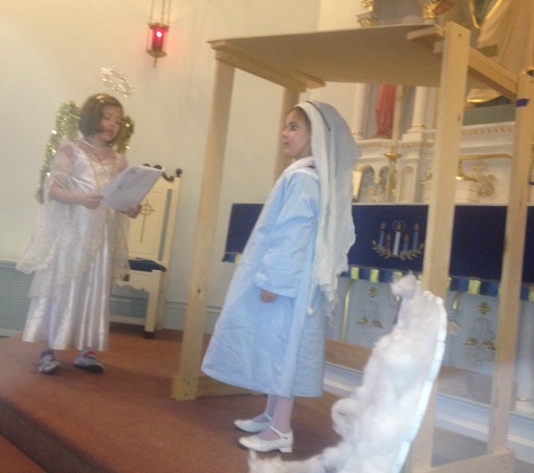
Photo Credits:  The Newport Bridge, taken by Juliana Forsberg-Lary; Sophia as Mary in this year’s Christmas pageant; Amanda as Gabriel and Sophia as Mary; Sophia/Mary taken by Kerry Poirier; gorgeous Renata and Victor en utero; Linda and Sylvie; Seven Mile Bridge, Florida Keys, thanks to Joe Rochira for this photo

Come to the Quiet, Part 2

Come to the Quiet, Part 2

Greece & Turkey 4 170

As the chaos of this holiday season intensifies, we need to remember that the original meaning of “holiday” was “holy day,” a sacred day, a day bringing healing or wholeness. Last Saturday I offered a workshop on meditation, or mindfulness, at our Oceans of Grace Spiritual Life Center. Twelve of us sat in a circle, and practiced breathing meditations (see last week’s blog). We then practiced a walking meditation outside in the crisp air, letting the stark winter landscape be the focus of our meditation (see last week’s blog). In this week’s blog I will focus on two other kinds of meditation, an eating meditation, and meditating with a sacred text.

IMG_3052

I grew up in a home where we always paused and said a prayer of thanksgiving before every meal. I continue to do this every time I eat, especially because I am aware that so many people in our world are hungry. No matter how simple a meal, we should give thanks for the gift of food. Then a year ago, my understanding of eating changed dramatically. This is because of of class I took in Boston, led by the Buddhist Monk, Thich Nhat Hanh. Two thousand people gathered in the grand ballroom at the Park Plaza Hotel for this class. We had all been asked to bring our lunch, so as to practice mindful eating together. I had my doubts as to whether this exercise would work with two thousand people, but it did. Thich Nhat Hanh said that especially in the West we overeat because we rush and fill ourselves beyond capacity. It takes twenty minutes for our digestive systems to register that we are full. So if you wolf down your meal in five minutes, you may be eating a lot more than you actually need. One of Thich Nhat Hanh’s young monks did a prayer of blessing, actually a spoken guided meditation at the beginning of our meal, asking us to contemplate how the entire cosmos is in our meal: the sun and the air and the water that fed the plants and made them grow. The earth that nourished the plants with its nutrients. The farmers who grew the food, tended the fields, planted, fertilized, harvested. The people who transported the food to the markets. The people who worked in the markets. The one we live with who prepared the food or cooked the meal for us, etc. He encouraged us, with every bite we take, to be mindful that the entire cosmos had a part in bringing us every bite of food that we put in our mouths!

IMG_2792

He invited us to eat slowly, and to chew each morsel at least 20-30 times, giving thanks and gratitude for each bite. I was shocked to realize that I was only able to finish half my salad before I was full. Those of you who know my tremendous appetite will know that this is a miracle in itself: for me to be full after just half a salad! I will never eat in the same way again! I encourage you to practice this eating meditation, especially during this season of overeating. May we be mindful that the entire cosmos is contained in every morsel.

IMG_3725
Finally, another form of meditation is praying with a sacred text. In the Christian tradition, this is called “lectio divina,” or sacred reading. (see link to podcast). The Christian mystics do this with biblical texts. This is actually how I prepare my sermons, as well as part of my daily prayer practice. You read a text slowly, paying attention to the single word or image, phrase or idea which strikes you, and tugs at your mind or your heart. Then you stay with that. You hold it up in your imagination, like a multi-faceted diamond, asking the Spirit why it is that that phrase or image or idea hooked you. What is it that you need to learn from that one thing? That is what you contemplate in silence. Here is where some people might journal with this one thing, or artists might paint what comes from contemplating this one thing, or poets might compose a poem or musicians a song about this one thing. But be assured, the Spirit has a message for you in this one thing that tugged at your spirit. For me this one thing becomes the title of my weekly sermon. I pray with the text assigned for each week at the beginning of the week. Then, as the week progresses, I marvel at how the events of the week, from the news and the life of the community, from things I read or experience, coalesce around that one thing that “hooked” me from the text! It is as though my eyes are opened and I begin to see the connection between all things. I encourage you to practice this form of meditation. In the spring I will offer a second workshop on this kind of meditation.

IMG_2610
I used to practice Lectio Divina only with biblical texts. Then when I was doing my four-year spiritual direction training, and we had to write a paper each week, I would read the book or article using lectio divine. A few years ago, when I was doing my yoga teacher training program, and reading texts from the Hindu tradition, I began practicing lectio divine with these sacred texts. I now do this with everything I read: science, history, poetry, etc.

Wentworth New Mexico 2 068
Then some years ago when I was on retreat in the desert, I read the book “The Solace of Fierce Landscapes,” by Belden C. Lane. Lane wrote of that breathtaking desert landscape as a sacred text. We can pay attention to the one thing that speaks to us from the landscape, and ponder the message it speaks to our lives. That same book also invites us to think of our own life stories, or the story of another, as a sacred text, to ponder our own inner landscape, and to pay attention to the message the Spirit is speaking throughout the sacred story of our own life experiences.
In other words, all of Life is sacred. All of Life speaks to us, inviting us to learn the lessons we need to learn on the spiritual adventure of this life.

colarado and stockhome 026

This day, may you see the holy in all you encounter,
and may you reflect the holy to all you encounter.

Linda Forsberg, Copyright December 16, 2014

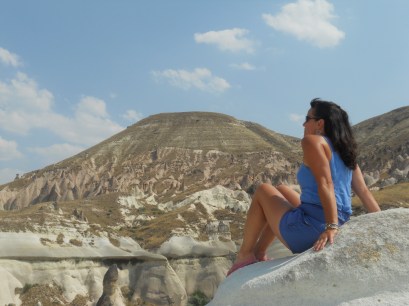
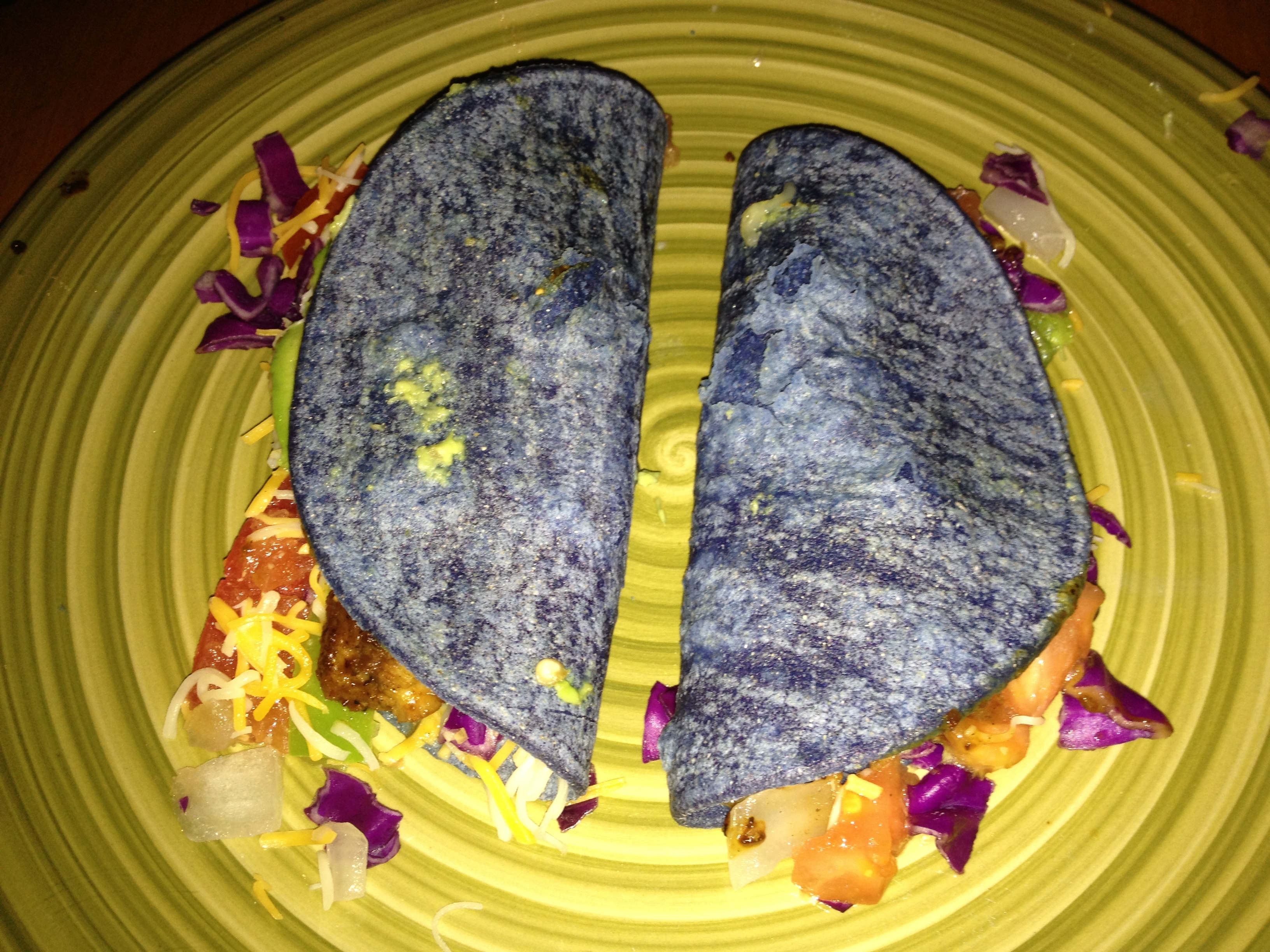
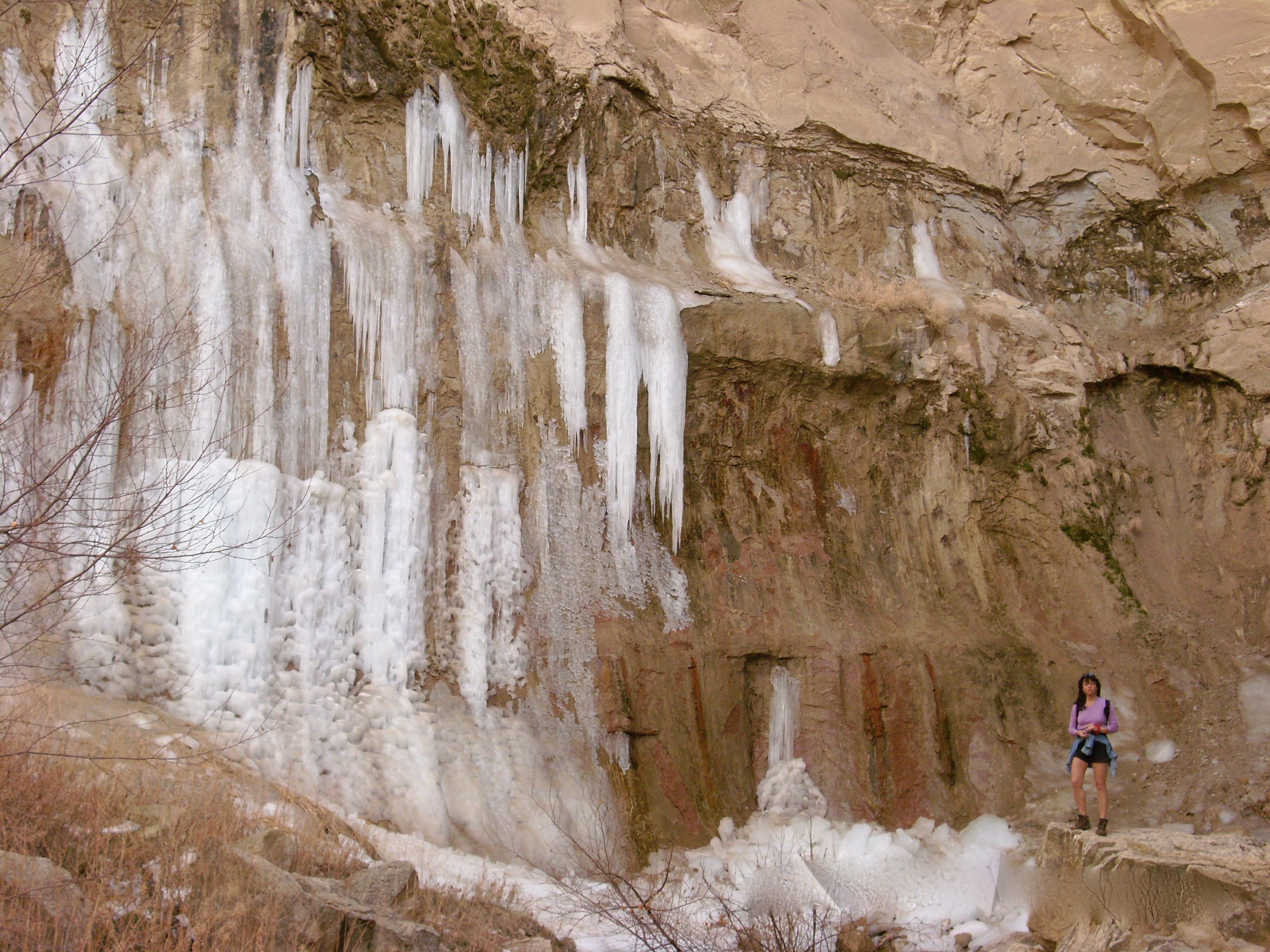
Photos:  Linda in Cappadocia, Turkey; Fish tacos made by Zach for my Mother’s Day Dinner; dinner at Fishbone, Panama City Beach, FL; Dinner at Makenna Golf and Beach Resort, Maui, Hawaii; Julia reading at church Christmas pageant; Linda at Box Canyon, Ghost Ranch, Abiquiu, NM; Linda at Rocky Mountain National Park, CO

Announcement

Is the Craziness of this Holiday Season Stressing You Out?
Come to the Quiet

Nova Scotia 030
A Free Workshop
on Guided Meditation
and Mindfulness

Saturday, December 13, 2014, 2:00-4:00 in the afternoon
Oceans of Grace Spiritual Life Center
118 Division Street
East Greenwich, RI
To register go to www:oceansofgraceri.orgor call or text 401-330-8511

In the Craziness of tis Holiday Season, Come to the Quiet

In the Craziness of this Holiday Season, Come to the Quiet

Nova Scotia 030

This coming Saturday, December 13, I will be leading a workshop called “Come to the Quiet,” at Oceans of Grace Spiritual Life Center, East Greenwich, RI. It is a workshop on “guided meditation and mindfulness,” or contemplative prayer. Yesterday I went around our community putting up fliers about this workshop. At the Health Food Store, there was another flier about a meditation workshop, listing the leader’s credentials. I did not even think to list my “credentials.” I have been practicing meditation daily for the past thirty-three years. When I looked on -line, mindfulness classes are now a big industry. Classes cost in the $500-600 range. My workshop is free. I realize that many who follow this blog live too far away to come to this workshop, so this week’s blog and next week’s will give you some ideas for how to practice meditation or mindfulness in your daily lives, particularly during stressful times such as the holiday season.

IMG_0307
Almost every faith tradition has a spiritual practice of meditation, although it is called different names in different traditions: prayer, contemplation, meditation, zen, mindfulness, awareness, centering prayer, etc. Essentially it is all the same thing. In my workshop I will focus on four different kinds of meditation: meditating with our breath, walking meditation, mindful eating, and meditation with a sacred text (also called lectio divine in some traditions). This week I will focus on the first two practices: meditating with our breath and walking meditation.
In every language I know, in every religious tradition I know, the same word for Spirit also means “breath.” (For example, in Hebrew the word for Spirit/breath is Ruach (feminine!); in Greek Pneuma (neuter); in Chinese Chi; in Sanskrit Prana.) It makes sense, therefore, that in every religious tradition, the first, simplest, most basic form of meditation begins with our breath. Often, we close our eyes, to block out any distractions, and focus simply on our breath. Breathing in, we imagine the Spirit/Breath of Life entering our being; breathing out, we imagine the Spirit/Breath of Life going forth from us into the world. We breathe in, then out, slowly, focusing only on the rhythm of our breath, knowing the Spirit lives within us and all living things, as close to us as our next breath. Every breath in, we ask the Spirit to fill us; every breath out, we ask the Spirit to go forth from us to everyone and everything around us, bringing peace. Medical studies have revealed that those who practice even just this simple breathing meditation for approximately fifteen minutes a day lower their heart rates. You will notice as you do this breathing meditation, that your breath will become slower, deeper, and more relaxed.

IMG_3196

As a yoga instructor, I spend the first part of every yoga class I teach doing breath work. If you have ever taken a yoga class, this is why it always begins with breath work. Here in the United States we think of yoga as something athletic, as a work out, or as a way to lose weight. Yoga began as a form of prayer or meditation. It is praying with our whole bodies, The different asanas, or poses, began as a way of keeping the body limber and comfortable, so the practitioner could sit for a long period of time in meditation. To think of yoga as an athletic work out is to miss the whole point of why it was invented some 4000 years ago. Breath work should be included in every yoga practice. Breathing is the heart of yoga. The word yoga means “yoking,” or balancing the two parts of ourselves, our sun and moon, or masculine and feminine sides. When we breathe we should try to make our inhale and our exhale of equal duration. If we breathe in deeply, and only do a short exhale, we are out of balance. We are taking in more than our share, and not sharing enough with the world. If we take too shallow a breath in, and too long a breath out, we are out of balance. We are not filling ourselves with enough energy to match what we are giving to the world, and so become depleted. This is why we should always begin our meditation practice by simply focusing on our breath.

DSCN1820_0086
Last year, when I did a meditation workshop with Thich Nhat Hanh, the famous Vietnamese Buddhist Monk and Teacher, we practiced several kinds of meditation. The workshop was in downtown Boston. We began with simple breathing meditations. Then we did a walking meditation. A walking meditation is an excellent form of meditation for those who are active. As with breathing meditation, we need to slow down. In this crazy Holiday season, so many are rushing around at a frenetic pace. When doing a walking meditation, you walk slowly, breathing in peace, breathing out peace. Breathing in Spirit, breathing out Spirit’s blessing. Last September, approximately 2000 of us did this walking meditation in downtown Boston, very close to the spot where the Boston Marathon bombings had taken place. I did not think a walking meditation would work with 2000 people, but it did. I had thought people would be noisy or chatty, but when we left the Park Plaza Hotel ballroom, where we gathered, everyone was completely silent. A group of about 40-50 Buddhist monks and nuns, in their traditional robes, and straw hats, walked with us. The Boston police stopped all of the traffic. Amazingly, cars did not honk their horns. Amazingly, pedestrians did not rush by. Everyone stopped and watched in silence. I think the Spirit of peace is contagious because many onlookers joined us. We walked slowly, silently past the site of so much violence and pain, and held that pain in our hearts, breathing comfort, praying peace. We gathered in the center of the Boston Common, and sat, and continued our meditation, sitting. Then after about thirty minutes, we rose, and walked slowly back to the ballroom, again, 2000 people in perfect, united Quiet.

The last walk 016
Every day, alone or with others, we can do a walking meditation on our way to work, or during our lunch hour. Everywhere we go, we can slow down, and breathe in peace, and breathe out peace. Breathe in healing/wholeness (the same root word), breathe out healing/wholeness. Breathe in blessing, breathe out blessing. Riding the subway, driving, everywhere we go, we can be agents of peace.

DSCN3149

So, friends, this is just the beginning of the practice of meditation or mindfulness. Next week we will focus on two other ways of meditating.
In the midst of this crazy, stressful, chaotic season,
may these practices bring you to a place of Quiet,
of Calm, of deep, inner peace.
May you see the Sacred in all you encounter,
and may you reflect the Sacred to all you encounter.

Linda Forsberg, Copyright December 8, 2014

Photos:  Linda in Nova Scotia; Ted in Newport during Hurricane Sandy;Charlene at yoga class; Linda at ancient spa in Turkey, where they would dispose of those who were not healed; Linda in Newport; Linda and Sylvie

What is this Thing Called “Advent?”

What is This Thing Called “Advent?”

IMG_0394

In the Christian Church we entered the holy season of Advent this past weekend. Many people ask, “What is this thing called ‘Advent’”? The word Advent actually means “coming.” We celebrate God coming into our midst in the birth of Jesus. Advent is a season when we prepare ourselves spiritually for Christ to be born in our lives. The truth is, no one actually knows what day or time of year Jesus was born. Most bible scholars think it was actually around 4 BCE. We celebrate it in December to coincide with the winter solstice, since we believe Jesus Christ is the Light of the world.

IMG_4583
I must admit that I love the season of Advent, mostly because it is so radically counter-cultural. Every Advent I re-read my favorite Advent books. One of them is called “The Reed of God,” by Caryll Houselander. This book describes Advent as a seed. A seed hidden in dark, moist soil. A seed planted, gestating beneath the surface, but not yet seen. The process of growth has started, but it cannot be rushed, cannot be forced. We must do something extremely counter-cultural. We must wait. We must wait for “nature to take its course.” We must wait for the green shoot of new life to break through, aching for the light, and to grow into the plant or flower, the vegetable or tree, that it will be.

IMG_3319IMG_3240
Juxtaposed to this quiet waiting in darkness, is the overwhelming noise and harsh neon lights of Black Friday and shopping malls and Santa and Christmas in all its gaudy commercialism. Christmas music blaring wherever we go, red and green glitzy dazzling Christmas.

IMG_0639
Not so in the church. In the church we must wait for Christmas, like that seed slowly growing in the darkness. In the church we do not sing Christmas songs till Christmas. We sing minor-key Advent songs of longing, aching, waiting. In the church the color is not bright red and green, but deep, velvet, midnight blue, which is a lot more like the way many of us feel during this season.
At our church we highlight the counter-cultural aspect of Advent with our theme “Come to the Quiet.” During the season of Advent our worship is a haven from the noise and chaos, the bright lights and consumerism of the world. During Advent our worship is more quiet, and includes more time for silence and contemplation, to let the seed take root.

IMG_4627

For Houselander Mary is the human image of this season, the model for all of us. Mary, a humble teenager who was brave enough to say “Yes” with her whole being to God. Mary is the “reed” of God, that simple reed that became a flute, letting the Breath of the Holy Spirit (in every language I know the word for Breath and Spirit is the same word!) sing through her life.  Mary, pregnant and waiting. Christ, like that seed, gestating within Mary’s own body, Mary’s ordinary life. God made Flesh in Mary’s flesh, in Mary’s living, breathing, walking, working body. Houselander says all of us are to be like Mary during this season of Advent.

IMG_3301
Advent is a pregnant season. Pregnant Mary is the symbol of what Advent is all about. Just as we cannot rush a seed to grow into the plant that it will be, so also we cannot rush pregnancy. The almost ten months of gestation are essential. In the beginning, a woman does not even look pregnant, but she knows she is. Every thought, every breath, is focused on the new life gestating, growing within her, tiny, secret, in the darkness of the womb.

DSCN1912
In the early church they came up with a big, fancy, churchy word for Mary. They called her Theotokos, which means “God-bearer.”
Houselander tells us that we are all Theotokos, God-bearers, Christ-bearers. Following Mary’s example, can you say “Yes” to letting God be made flesh in your life, in your flesh and blood body, in your work and home, among your family and friends this Advent? Can you, like a pregnant woman, focus your every thought, your every action, toward letting the the seed which is God in you gestate and grow and mature and come to fruition? Can you say “Yes” to the invitation of the Holy Spirit to spend Advent letting the Christ in you grow until, in God’s time, you let Christ be born in your life?

IMG_4591

Can you be a Theotokos, and bear Christ, God-made-Flesh, in our world today, in your life, this day?

That is what this thing called “Advent” is all about. May God/Christ/Spirit grow within our hearts, our bodies, our lives. Remember, Mary was not some powerful, perfect person. It was her ordinary life, her simplicity, through which God chose to reveal Godself to us! So it is still today, in your life and mine, that the small seed of Christ grows into a plant, a flower, a tree.

IMG_4686
May we have the courage to say “Yes.”

In this pregnant season of Advent,

may you see God in all you encounter,

and may you reflect God to all you encounter.
Pastor Linda Forsberg, Copyright December 2, 2014

Pastor Linda Forsberg

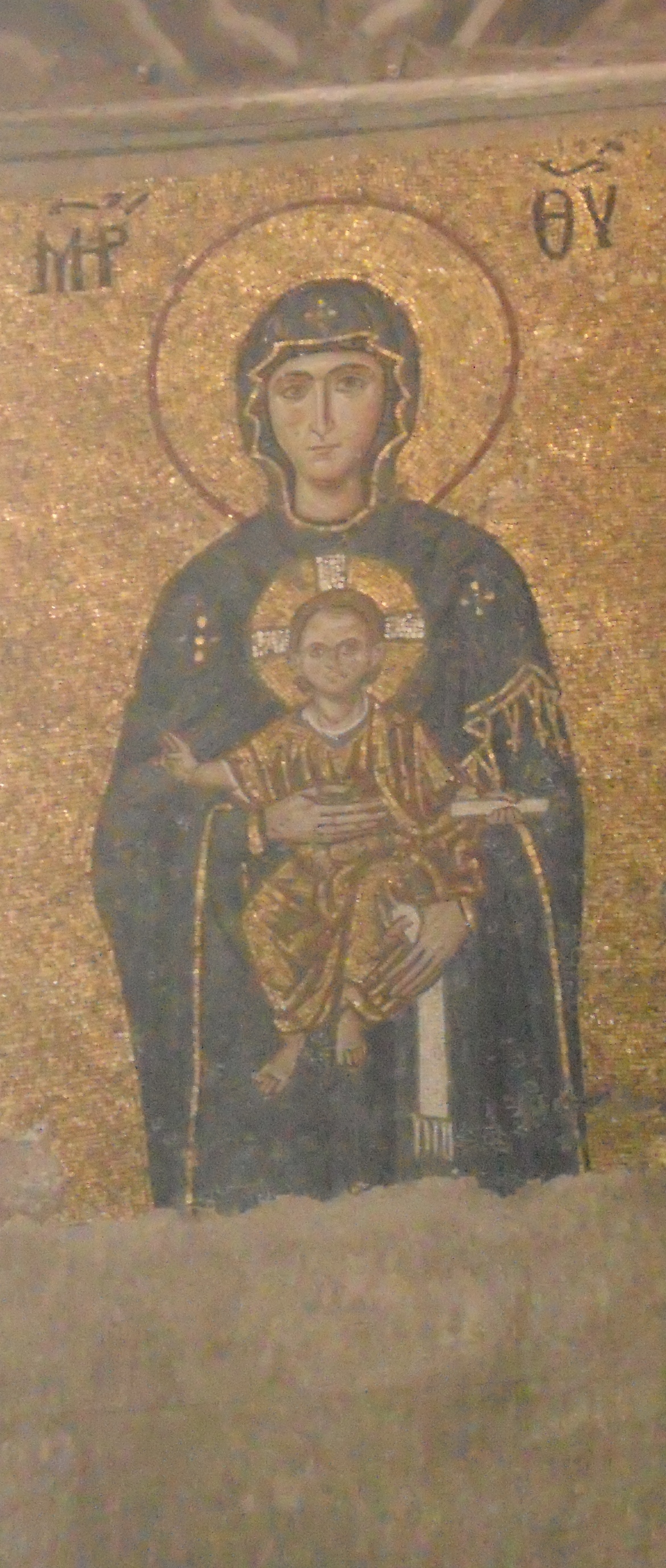
Photos:  Reeds at dusk, Newport, RI; walking paths at Holy Family Retreat Center, West Hartford, MA; Community Garden, Farmington, CT; Sylvie and plants in our “Secret Garden”;  a restaurant in NYC; reeds at Camp Helen State Park, Panama City Beach, FL; “Mary” at Our Lady of Calvary Retreat House, Farmington, CT; Mosaic from Hagia Sophia Mosque, Istanbul, Turkey; Garden statue, Holy Family Retreat Center, West Hartford, MA; 600 year old oak tree, Eden Garden Panama City Beach, FL

Thanksgiving and Remembrance

IMG_0380

Thanksgiving and Remembrance

I was having mixed feelings about Thanksgiving. Partly because this is our first Thanksgiving without my dad. Last year ’s Thanksgiving dinner was our last celebration with my ninety year old father. He fell one week before Christmas, and died one week after Christmas. So, I miss him. We all miss him. We will miss his Thanksgiving prayer he would always pray before our feast. We will even miss the way he would eat, then immediately after he was finished eating, say, “Well, I’m ready to go now.” Fortunately my husband Ted, conveniently an introvert, never minded leaving the family celebration, and driving dad home.

IMG_0368
This morning, as I was beginning my Thanksgiving preparations, and thinking of dad, and feeling a little sad, I got a phone call from my friend, Laura, whose daughter, Meg,who is like another daughter to me, had just given birth to a baby boy! This baby is named Raymond Michael, after another beloved father figure, Meg’s grandfather, Ray, who died almost ten years ago. This was a man at church who embraced me and my three young children as part of his family when I was the new single mom pastor. My children, like Laura’s, also called him “Pops,” and when asked to draw her family tree at kindergarten,my five year old included Pops, Laura, Meg and her brothers. So today we are all rejoicing at the birth of baby Raymond Michael. Sadness, grief, remembrance. Joy, new life, thanksgiving. The circle of life continues, and is filled with the yin and yang of both sides of life, in their complex, ever-flowing dance of opposites.

IMG_4720
I always have mixed feelings about Thanksgiving for other reasons too. For about twenty-five years I have been practicing Native American spirituality along with Christianity. This is because of two amazing Native American women who had a deep influence on me: Nighthawk Flying, whom I met at Calumet Camp and Conference Center, in West Ossippee, NH, and was friends with for many years, and Sister Jose Hobday, whom I met at the Center for Creation Centered Spirituality in Oakland, CA. Both of these women were spiritual teachers and mentors for me. For the past twenty-five years I have begun each day by going outside, in all kinds of weather, and praying Native American prayers, which Sister Jose Hobday had taught me. Over the years, I have taught these prayers to many.

Hobday

These two women and other Native friends have made me aware that for our Native American sisters and brothers, “Thanksgiving” is a day of deep mourning, of deep remembrance. Remembrance of the gracious, sharing, giving spirit of Native peoples at that first Thanksgiving, and remembrance of how that graciousness received a response of Thanksgiving from some of the Pilgrims, but from far more of the white settlers received a response of fear, resentment, cruelty, brutality, violence, slaughter, banishment from their own land, and ultimately theft of that land. For many years now, more and more people have become aware of this “other side” to Thanksgiving.

IMG_4579IMG_4583
When one person tells me I should see a film or read a book, I hear her. When two, then three tell me the same thing, I really pay attention. Recently I received a threefold invitation from two friends from very different circles to read Howard Zinn’s A Peoples’ History of the United States, 1492-Present. Then last month when I heard Alice Walker speak at Ghost Ranch (see previous blogs), we also viewed a documentary film about her life, The Beauty of Truth: The Life of Alice Walker, by Director Pratibha Parmar. One of the men featured in the film was none other than Howard Zinn, who just happened to be Alice Walker’s history professor at Spelman College in Atlanta, during the Civil Rights Movement. Ironically, Alice Walker transferred to Sarah Laurence in NYC, because her activism in the Civil Rights movement jeopardized her scholarship at Spelman, and Zinn was fired from Spelman because of his support of the activists, and ended up teaching at Boston University for the rest of his teaching career. Zinn’s People’s History tells history from “the other side.” Many of us in this post-modern, post-Christian world acknowledge that “history” has come down to us from a white,European, educated, elite, male perspective, so of course it has focused on what this small segment of the human population considered important: wars, male leaders and politicians, conquests, economic development, and the “achievements” (in their own estimation) of white, European educated, elite males. Zinn’s United States history is written from the perspective of the rest of us, the majority: Native Americans, blacks, poor and middle class whites, and women. I am only on Chapter seven of this book, but I have already ordered lots of copies for this year’s Christmas presents for my family and friends.

zinnportraitIMG_4472
So…I challenge you to have mixed feelings about “Thanksgiving.” I challenge you to celebrate it, but with a HUGE twist. As we gather around tables and gorge ourselves into oblivion, may we all remember the hungry, and bring to our feasts food to share with our local food pantries. As we worry about what to wear to these celebrations, may we remember to bring an extra coat for our local Thrift Shop or church coat drive. This is what the coordinator of our church Thrift Shop and Food Pantry suggests. As we ask the matriarch or patriarch of the family to say the Thanksgiving prayer, may we each give thanks for our many blessings, yes. But may we also have a long pause of remembrance for those we love who are no longer at the table with us. But may we also have a long pause in solidarity with our Native sisters and brothers. May we remember with gratitude the gift of their ancestors’ graciousness, help, and peace shared with our ancestors, and to also offer a prayer of confession, for the sins of those who received their graciousness with hostility. May we offer a gift of making amends, of pledging ourselves to raise awareness about the real story of that first “Thanksgiving,” and of moving forward in a way that follows the example of graciousness. May Thursday be a day of sadness, grief, and remembrance. May it also be a day of joy, new life and thanksgiving.

IMG_4494
This day may we, like our Native sisters and brothers,
see the holy in all we encounter, and reflect the holy to all we encounter.

Linda Forsberg, Copyright November 25, 2014

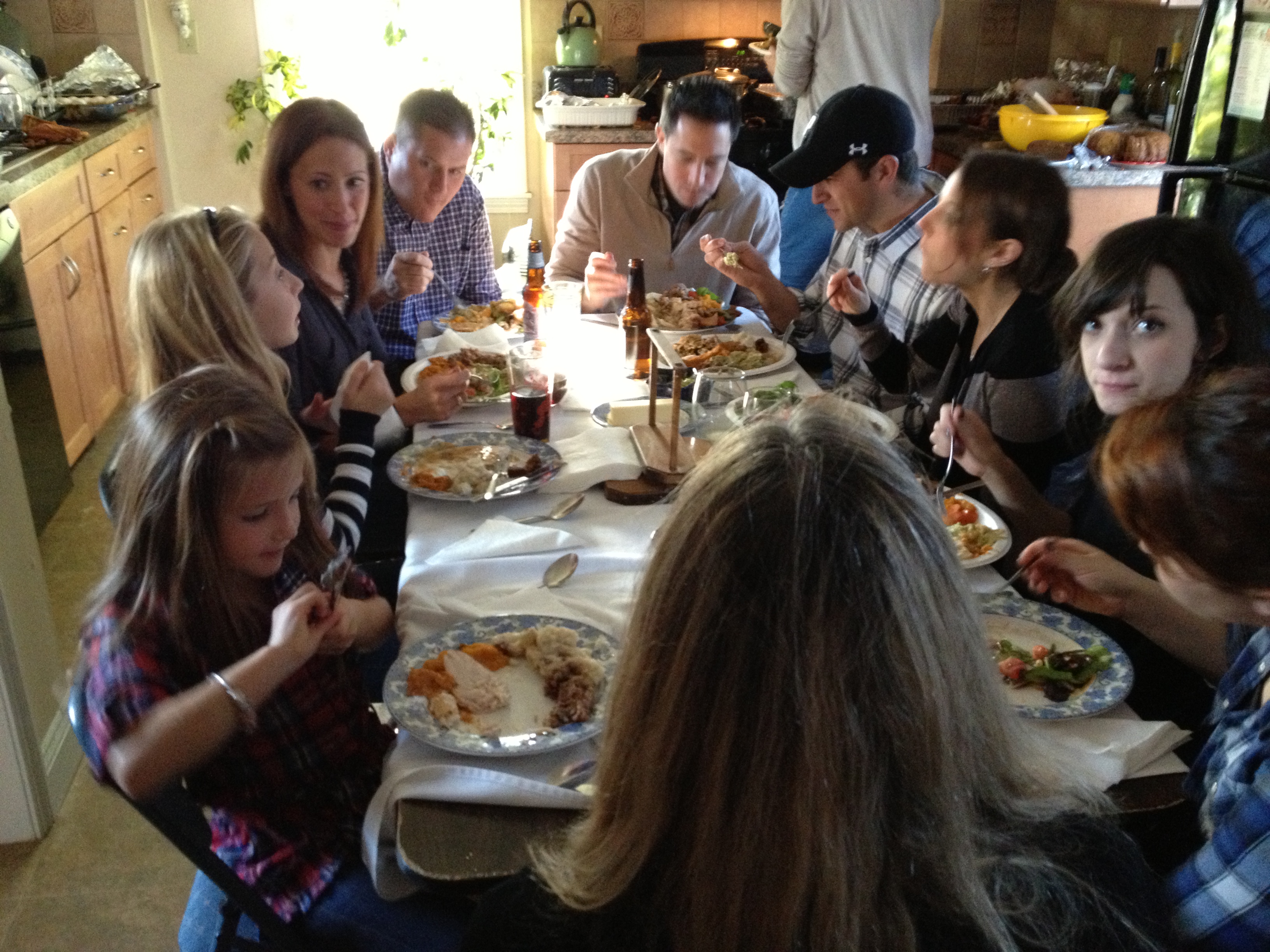
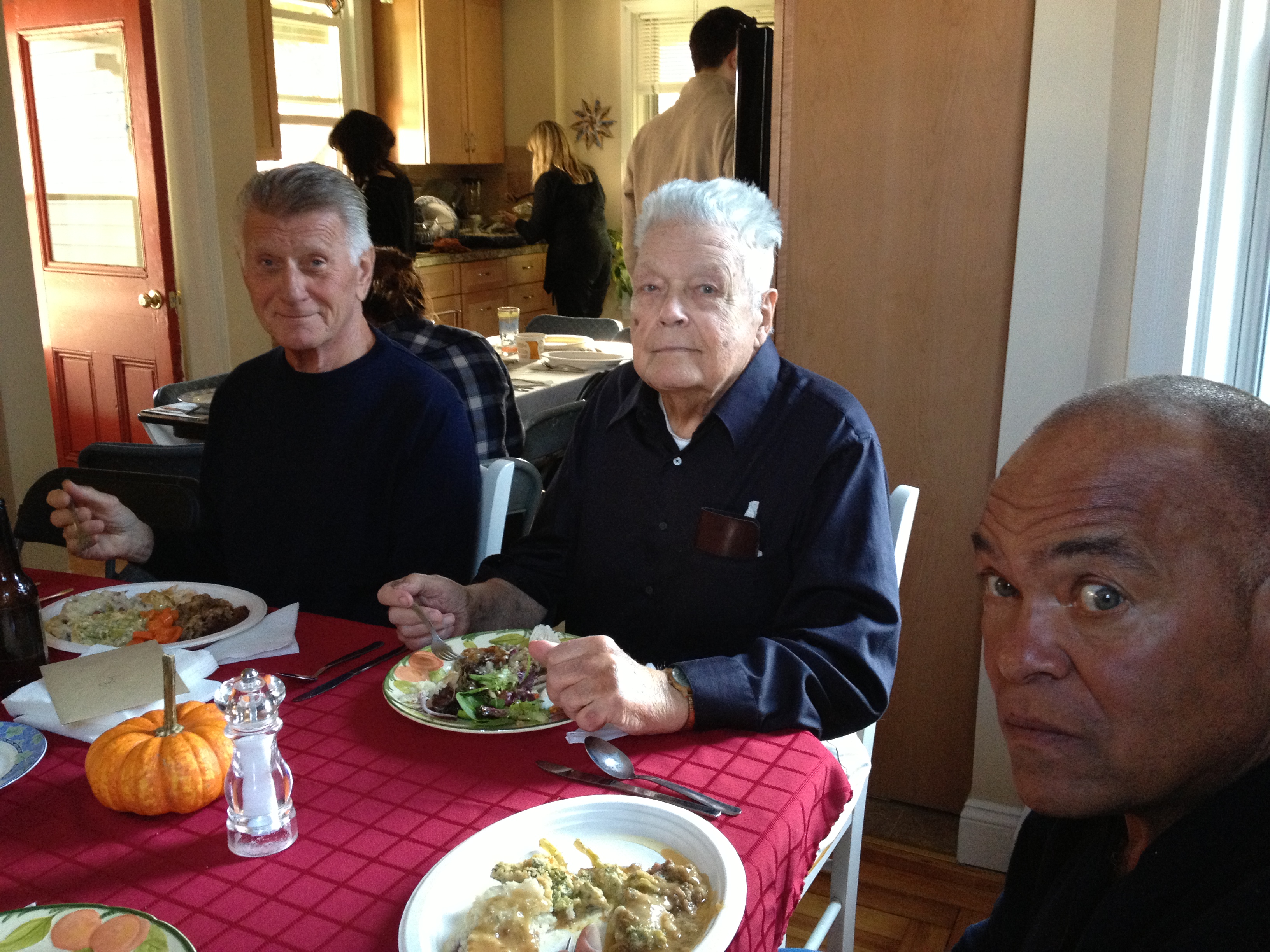
Photos: Thanksgiving at my house, 2012; my uncle Ray, Dad, and my husband Ted, at Thanksgiving, 2012;  baby Raymond Michael, a few hours old, and his dad, Mike; Sister Jose Hobday; walking trails at retreat center, West Hartford, MA; Howard Zinn; Alice Walker with Dr. Melanie Harris, me with my friend Steph Smith;my grand baby Lola’s feet in my hand

Do You Belong to the Sea?

Greece & Turkey 3 226

Do You Belong to the Sea?

Whenever I consider moving to another part of this world, it is as though a giant hand grips my heart fiercely and constricts it, warning, “You could never survive away from the sea.” I know that is true. I belong to the sea. The sea is part of me and I am part of the sea. Okay, so I was born in Rhode Island, the Ocean State, and have lived here most of my life. At this point, in fact, I live in Newport, Rhode Island, which is an island, so I am surrounded by ocean. Every day I drive over two bridges to get to and from work. But every night, as I cross the last bridge, I open the window and breathe in the salty sea, sighing with gratitude that I am home. In fact, I love to introduce friends from other places, who have never seen the ocean, to see it for the very first time.There is always that sense of awe, of wonder, of majesty.

DSCN0171

For a brief time I did live away from the ocean, in rural Pennsylvania, the closest ocean the Jersey shore, about eight hours away. Pennsylvania has lakes. They have a huge manmade lake, Raystown lake, which is beautiful. But it isn’t the ocean. Whenever I travel to a new place, if it is near the ocean, I have a ritual that I have to go swimming, have to immerse myself in the sea of that new place. It is like renewing my baptism. I remember the first time I travelled to the West Coast, to California. I had just been through a difficult divorce. I felt compelled to swim in the Pacific Ocean.

DSCN0592

Many years later when I travelled to Ireland, my friends and I had flown all night long, so they fell asleep on the beach, but I could not sleep. I sat entranced by the ocean, and was greeted by whales! A few years ago, when I travelled to Turkey and Greece, I swam in the Mediterranean Sea, then the Aegean Sea.

Greece & Turkey 4 277

It was on a history-making swim, from a huge sailing vessel which anchored near the Isle of Santorini, that the Aegean Sea washed away some deep wounds from my past, and I finally felt healed. The ocean does that.

Ted Top All Time  303 Pictures

What is it about the ocean that calms the soul, that brings healing, which literally means “wholeness”? I think it is three things. First, it is the vastness of the ocean that brings peace and healing. No matter how big your problems, the ocean is bigger. Scientists say the ocean depths are one of the only unexplored parts of this planet! About a year ago I read in the news that a new creature had been discovered by oceanographers, that is considered to be one of the most ancient creatures that still exists. Only a year ago, did they discover it, because the ocean is that vast! Just last month I learned that Jacques Cousteau’s son recently discovered, in the depths of the sea, a species of fish that swam right up to the scuba divers who were part of his expedition, and were so friendly, they let the scuba divers pet them! Sadly, he concluded that this is because they live so far from human life, that they had not yet learned our destructive ways, so did not yet fear us human beings. Gazing at the open ocean is like gazing at the stars on a dark black night. It smacks us upside the head with the fact that in the grand scheme of things, we are pretty small, and our puny human problems comparatively inconsequential.

Second, the sea is the source of life. It is teeming with life. My husband and I walk on the beach no matter what the weather. In fact, summer is our least favorite season for walking on the beach, because of the crowds. In the winter, we just bundle up. We like the fierce, bracing winds on our faces, waking us up, reminding us that we are alive!

binks pics 022

Years ago, when I was on retreat one December, at a place called Our Lady of Peace, in Narragansett, RI,I was going through one of the hardest times in my life. I walked every day in frigid cold, on Narragansett Beach. There was a man who was also on retreat, who was an oceanographer. He said to me that during the winter, when everything else in nature hibernates, and it might look like the ocean is hibernating, it is actually teeming with new, microscopic life that is being birthed. I took that as a metaphor for my own life. I let the ocean renew me and bring me to a place of new birth.

Finally, I think the ocean brings us to a place of calm and of wholeness because of the rhythms of its waves. The ceaseless ebb and flow of the tides is like the mantra OM, a universal breath in, then out, in, then out, in, then out. There is no music more beautiful to my ears. The aviator and writer Anne Morrow Lindbergh, wife of aviator Charles Lindbergh, wrote a little book my mother liked, called, “The Gift from the Sea.” She wrote it after the kidnapping and death of her twenty-month old son, Charlie. She too felt that the sea helps us to heal, to be made whole again. I remember she said it is because we ourselves are mostly made of water, so are also influenced by the moon’s pull on the tides, by the rhythms of the waves. I remember she also said the ocean heals us because it contains so much salt. When we cry, we taste the salt of our tears, and we know that the ocean and we are one.

IMG_3911

When I die I want my organs to go to whoever needs them. I want the rest of my body to be cremated, and cast into the sea. The first time I scattered someone’s ashes at sea, I was surprised that they did not feel like ashes at all, but rather like crushed seashells. Others tease me and say, “Oh, you will just become fish-food.” I like that. It reminds me of the Buddhist tale about death. They tell the story of a salt doll, who longed to become greater than the little salt doll that she was. She travelled to the sea, and walked toward the waves that lapped the shore. As she dipped one toe into the wave, she felt a part of herself dissolve. But there was some inexplicable longing inside her to keep walking, to wade deeper into the ocean. With each step, more and more of her dissolved, until she was gone. Now she is the ocean. As I write this I hear the rhythm of the waves. I am home, here by the sea. Someday, like the salt doll, I too shall be the ocean.

the day after 024

This day may you see the holy in all you encounter, and may you reflect the holy to all you encounter. Linda Forsberg, Copyright November 19, 2014

Photos:  Linda at the Mediterranean Sea; Newport, RI; the Pacific Ocean, Torrey Pines, CA; Linda swimming in the Mediterranean Sea; the Aegean Sea;the day of Ted’s baptism, December 27, 2004, Second Beach, Newport, RI; Ted, morning prayer, in Kauai; Linda on Second Beach, Newport, RI